
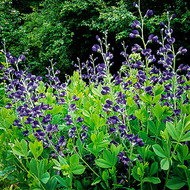
Baptisia australis, It's to Dye For!
Posted by Emerald Coast Growers on Sep 25th 2026
The native known as “false indigo” has deep roots – in the garden, and in American history.
Now an ornamental favorite, it was once prized and even subsidized by the British government for the blue dye made from its sap.
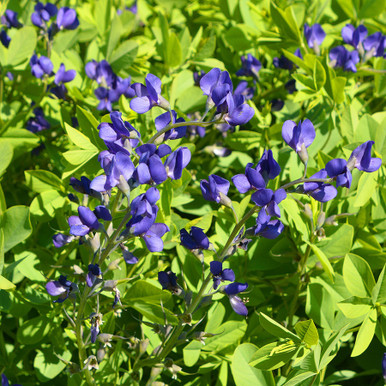
Baptisia makes a striking late-spring statement, sending up tall, upright racemes of lupine-like blooms in rich shades of deep purple and vibrant blue. As the flowers fade, decorative green seed pods emerge and mature to a dramatic charcoal black, extending the plant’s appeal well beyond bloom time.
Flowers, foliage, and seed pods are all valued as cut material, giving Baptisia a long season of usefulness for floral design.
Native from Pennsylvania south through the Carolinas, Baptisia is hardy in Zones 3–9 and reaches 3–4 feet tall at maturity. Its attractive, clover-like foliage brings a soft blue-green finish to the landscape, while its strong, upright habit adds structure and lasting interest.
Fun Facts
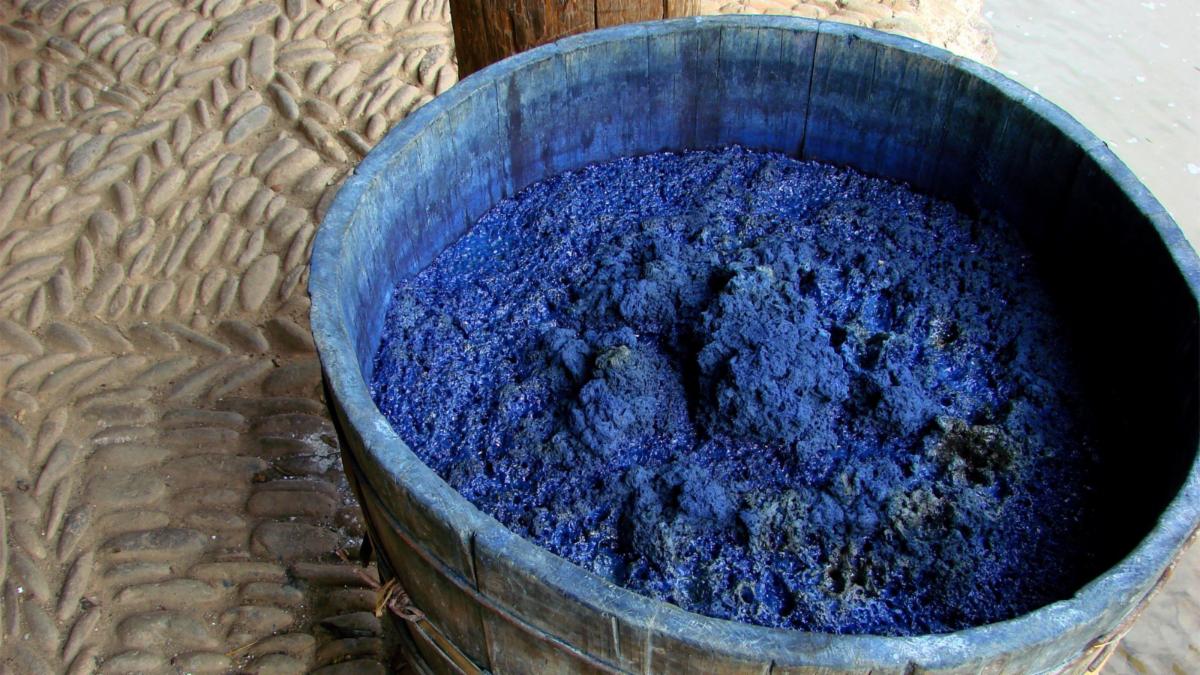
Genus Name: Comes from the Greek Bapto, “to dye.”
Common Name, False Indigo: When one of her many wars cut off England’s supply of valuable blue indigo dye from the tropics in the 1700s, the Crown paid colonists to grow Baptisia as a substitute.
Real Indigo: Indigofera tinctoria. You know indigo. It’s the "I" in Roy G. Biv. And it’s in your jeans… sort of. The erstwhile dye of kings is now synthesized.
Color your native selection cool, deep blue, with Baptisia australis.
It comes in 72-cell trays of slick-planting, quick-finishing liners from Emerald Coast Growers – your easy choice!